
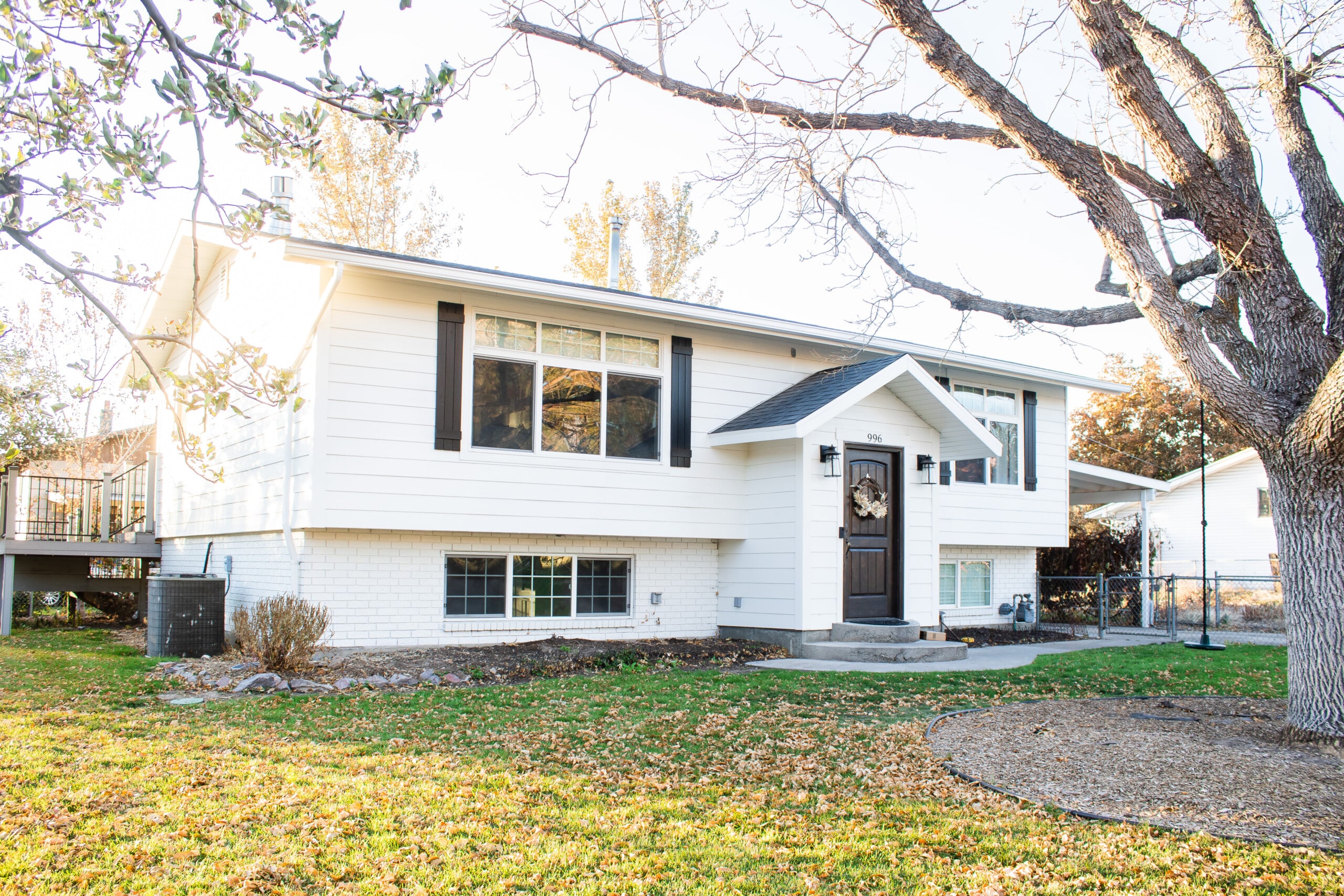
As the seasons change, fall is a good time to take a closer look at your furnished rental property. Vacation rentals often see more frequent use than traditional homes, and guests rely on everything—from heating and cooling to appliances, locks, plumbing, and outdoor spaces—to work as expected when they arrive.
Seasonal maintenance gives homeowners an opportunity to catch wear, address small issues, and take care of problems before they affect a guest stay. A little preventative care can help protect your investment, avoid more costly repairs, and keep your home comfortable and guest-ready throughout the year.
At Peaceful Vacation Rentals, we use fall as one of our regular property-care checkpoints. Some of these items can be repeated in the spring, while others are specific to preparing for colder weather.
Not every item will apply to every property. Seasonal needs depend on your home’s location, climate, age, systems, and amenities. A home in Utah may need very different preparation than a home in Florida.
At a glance, fall is a good time to check:
Heating — HVAC systems, filters, fireplaces, and safety equipment
Home systems — appliances, plumbing, water heater, and dryer vent
Exterior — roof, gutters, siding, windows, doors, and hard surfaces
Outdoor amenities — landscaping, pools, hot tubs, decks, patios, and furniture
Deep cleaning — areas that aren’t addressed during routine guest turnovers
Fall Property Maintenance Checklist
1. HVAC & Heating
Before the first cold weather arrives, make sure your heating system is ready to keep guests comfortable.
- Schedule a professional furnace or heating-system inspection as appropriate for your home.
- Check or replace HVAC filters.
- Confirm that thermostats are working properly.
- Make sure heating vents and registers are clean and unobstructed.
- Check that outdoor HVAC equipment is clear of leaves and debris.
- Inspect accessible ductwork for obvious damage or gaps.
- If your property has a heat pump, mini-splits, or another type of heating system, follow the manufacturer’s recommended seasonal maintenance schedule.
ENERGY STAR recommends professional pre-season heating maintenance in the fall and checking air filters regularly, particularly during periods of heavy heating and cooling use.
Tip: If your property is in a colder climate, don’t wait until the first cold snap to discover that the furnace isn’t working properly.
2. Fireplaces & Heating Safety
If your property has a fireplace, wood stove, or other supplemental heating source, fall is a good time to make sure everything is safe and ready for use.
- Inspect fireplaces for visible damage or hazards.
- Have chimneys and flues professionally inspected or cleaned when appropriate.
- Check fireplace tools, screens, and other accessories.
- Make sure instructions for using the fireplace are available to guests.
- Confirm that smoke and carbon monoxide alarms are functioning properly.
For homes with wood-burning fireplaces or stoves, follow the equipment manufacturer’s recommendations and have inspections or cleaning performed by a qualified professional when needed.
3. Smoke & Carbon Monoxide Detectors
Seasonal maintenance is also a good opportunity to check the home’s safety equipment.
- Test smoke alarms and carbon monoxide alarms.
- Replace batteries if needed.
- Replace batteries on an annual schedule unless the alarm uses a sealed long-life battery.
- Check the age and condition of the alarms and replace units according to the manufacturer’s recommendations.
- Make sure alarms remain properly positioned and are not obstructed.
The U.S. Consumer Product Safety Commission recommends testing smoke and CO alarms monthly and replacing batteries at least annually unless the alarm uses a sealed 10-year battery.
4. Dryer & Appliance Maintenance
Appliances work hard in furnished rentals, so seasonal maintenance is a good opportunity to address areas that aren’t part of a normal turnover clean.
Consider:
- Cleaning lint from the dryer vent and checking the exterior vent for proper airflow.
- Cleaning dryer lint screens thoroughly.
- Vacuuming refrigerator and freezer coils.
- Checking refrigerator and freezer seals.
- Checking dishwashers for buildup or drainage issues.
- Cleaning washing-machine dispensers and seals.
- Checking appliances for leaks, unusual noises, or other signs of trouble.
- Pulling appliances out when practical to clean behind and underneath them.
The CPSC recommends cleaning lint from dryer vent pipes at least once a year.
5. Plumbing & Water Systems
Cold weather can be hard on plumbing, especially in areas that regularly experience freezing temperatures.
Before winter:
- Check under sinks for leaks or signs of water damage.
- Check toilets for leaks or running water.
- Inspect exposed plumbing for signs of damage.
- Check water heaters for leaks or corrosion.
- Make sure exterior hose connections are in good condition.
- Disconnect and drain outdoor hoses where freezing temperatures are expected.
- Winterize irrigation systems when appropriate for the property.
- Know where the property’s main water shutoff is located.
For properties in colder climates, take any additional steps recommended for the home’s plumbing system before freezing temperatures arrive.
6. Exterior & Roof
Fall is a good time to inspect the home’s exterior and address small issues before winter weather makes them more difficult to access or repair.
Focus on the property itself:
- Inspect the roof for missing, loose, or damaged shingles and visible signs of leaks.
- Clean gutters and downspouts and checking that water is draining properly.
- Inspect exterior siding, trim, and paint for damage or areas that need attention.
- Power-wash siding, walkways, or other exterior surfaces when needed.
- Inspect the driveway and other hard surfaces for cracks, damage, or trip hazards.
- Check exterior lighting around entrances and the property.
- Look for signs of water intrusion, pests, or other exterior damage.
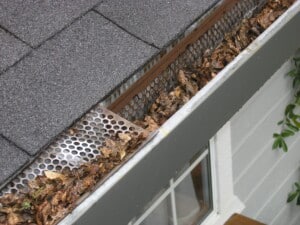
Taking care of these items before winter can help prevent small exterior issues from becoming larger problems after exposure to snow, ice, rain, wind, and repeated freezing and thawing.
7. Windows & Doors
Windows and doors affect both guest comfort and energy efficiency.
As part of a seasonal inspection:
- Clean windows inside and outside as appropriate.
- Clean window and door screens.
- Clean window and door tracks.
- Check weather stripping and seals.
- Look for drafts or gaps.
- Check exterior doors for proper operation.
- Inspect door locks and hardware.
- Replace batteries in electronic locks if needed.
This is also a good opportunity to make sure guests can easily operate windows, doors, and locks.
8. Outdoor Areas & Amenities
Outdoor spaces are an important part of the guest experience, especially at properties where amenities such as pools, hot tubs, patios, decks, or outdoor gathering areas are part of the stay.
Fall is a good time to inspect these areas and prepare them for the season ahead.
Depending on your property and climate, consider:
Landscaping & Yard Care
- Remove leaves, branches, and other debris.
- Prune trees and shrubs as appropriate for the season and property.
- Check for dead or damaged branches that could become a hazard.
- Prepare lawns and landscaping for winter where appropriate.
- Check irrigation systems and winterize them in areas where freezing temperatures are expected.
- Inspect sprinkler heads and make necessary repairs.
- Drain and store garden hoses when appropriate.
Pools, Hot Tubs & Spas
- Inspect pool, hot tub, and spa equipment for proper operation.
- Check filters, pumps, heaters, and other equipment according to the manufacturer’s recommendations.
- Clean or service equipment as needed.
- Follow the appropriate seasonal schedule for maintaining or winterizing the pool or spa.
- Make sure safety equipment is in good condition and accessible.
Decks, Patios & Outdoor Furniture
- Inspect decks, balconies, patios, stairs, and railings for damage or wear.
- Check outdoor furniture for damage and clean or store pieces as appropriate for the climate.
- Inspect cushions and outdoor fabrics and store them when appropriate.
- Check outdoor umbrellas, covers, and other seasonal items.
- Clean grills and inspect them for proper operation.
- Check outdoor fire pits and other guest-use amenities for damage or needed maintenance.
- Make sure outdoor lighting is working properly.
Other Outdoor Amenities
- Inspect saunas and other property-specific amenities according to their maintenance requirements.
- Check outdoor games, recreational equipment, and guest-use items for damage or wear.
- Make sure instructions and safety information for outdoor amenities are current and easy for guests to find.
Outdoor maintenance will look different from property to property. A home in Utah may need significant winter preparation, while a property in Florida may continue using its outdoor amenities throughout the cooler months. The goal is to make sure everything guests are likely to use is clean, safe, functional, and ready for the season ahead.
9. Deep Cleaning
A seasonal deep clean is different from the cleaning performed between guests.
Twice a year is a good general rhythm for many of these tasks, although individual homes may need more frequent attention.
Be sure to:
- Deep clean carpets and upholstered furniture.
- Include windows, screens, and tracks in a more thorough seasonal cleaning.
- Clean behind and underneath appliances as part of the deep-clean process.
- Clean inside drawers and cabinets.
- Wipe walls and baseboards.
- Dust ceiling fans, blinds, door tops, light fixtures, and other hard-to-reach areas.
- Clean vents and registers.
- Clean drains in sinks, tubs, and showers.
- Deep clean the dishwasher and washing machine.
- Check areas that are easy to miss during routine turnovers.
Seasonal deep cleaning isn’t just about making a property look nice. It is also an opportunity to identify maintenance issues before they become guest complaints or more expensive repairs.
A Note About Different Climates
There isn’t one universal fall checklist for every vacation rental.
A home in Utah or another cold-weather climate may need to focus heavily on heating systems, fireplaces, irrigation, exterior water lines, gutters, and preparing for freezing temperatures.
A property in Florida may have a very different set of seasonal priorities, including HVAC performance, pool and outdoor equipment, irrigation, landscaping, exterior wear, and preparation for severe weather.
The important thing is to create a seasonal maintenance routine that makes sense for your specific property and location.
At PVR, we manage furnished homes in different markets, so our goal is not to apply the exact same checklist to every home. Instead, we look at the property, its systems, its location, and its individual needs.
How Often Should These Items Be Done?
Some maintenance items should be checked more frequently than once or twice a year. Others are well suited to a seasonal schedule.
A simple way to think about it is:
Monthly or as needed
- HVAC filters
- Smoke and CO alarm testing
- Guest-visible maintenance issues
- Leaks, appliance problems, and other emerging concerns
Twice a year
- Seasonal HVAC maintenance
- Deep cleaning
- Windows and screens
- Appliances and hard-to-reach areas
- Exterior inspection
- General safety and property-condition inspection
Annually or according to the manufacturer’s recommendations
- Dryer vent cleaning
- Professional inspections
- Fireplace/chimney maintenance when applicable
- Water heater and other major-system checks
- Replacement of batteries and equipment as needed
Your property’s age, systems, location, and usage may require a different schedule.
Who Is Responsible for Property Maintenance?
One of the most important parts of owning a furnished rental is staying ahead of maintenance.
While Peaceful Vacation Rentals handles the day-to-day management of the property and can help identify maintenance needs, property maintenance and repairs are ultimately the responsibility of the homeowner.
If you would like help with any of the items on this list, we’re happy to help coordinate the work.
Depending on the task, we can:
- Schedule a qualified professional.
- Coordinate a maintenance visit.
- Arrange seasonal cleaning or other services.
- Help identify issues that need attention.
- Provide recommendations for contractors or service providers.
These services are not included in the standard PVR management fee. When requested, we can coordinate the work on your behalf, with the associated cost charged to the homeowner.
Our goal is to make it easier for you to stay ahead of your property without adding another list of things to manage yourself.
Looking Ahead: Home Maintenance at PVR
We’re also working on an optional Home Maintenance Plan that will provide homeowners with a more structured way to stay ahead of recurring maintenance and cleaning needs.
We’re still finalizing the details, so we’ll share more information as the program develops.
This page will be updated as we add new services and recommendations, so you can continue to use it as a seasonal reference for your property.

Keep Your Home Ready for the Season Ahead
Seasonal maintenance may not be the most exciting part of owning a furnished rental, but staying ahead of small issues can make a big difference.
A well-maintained home is better protected, more comfortable for guests, and easier to manage over the long term.
If you aren’t sure which items on this list apply to your property, reach out to the PVR team. We’re happy to help identify what may need attention and coordinate the work when requested.
